Waterfront living in Miami can look very different depending on where you land. You might picture a high-rise over Biscayne Bay, a condo near the Miami River, or a private home tucked along a canal or island street. If you are trying to match your home search to the lifestyle you actually want, understanding those differences matters. Let’s dive in.
What Waterfront Means in Miami
In Miami, “waterfront” is not just one thing. Biscayne Bay is a 428-square-mile shallow estuary, and Miami Beach sits between the bay and the Atlantic Ocean. Local governments treat waterfront access as both a public asset and an environmental responsibility, which helps shape how different areas feel and function day to day.
For buyers, it helps to think about Miami waterfront living in three broad categories. You have bayfront or beach-promenade living, riverfront living, and canal- or island-based single-family living. Each one creates a different rhythm for how you move, relax, and use the water.
Bayfront High-Rises and Urban Energy
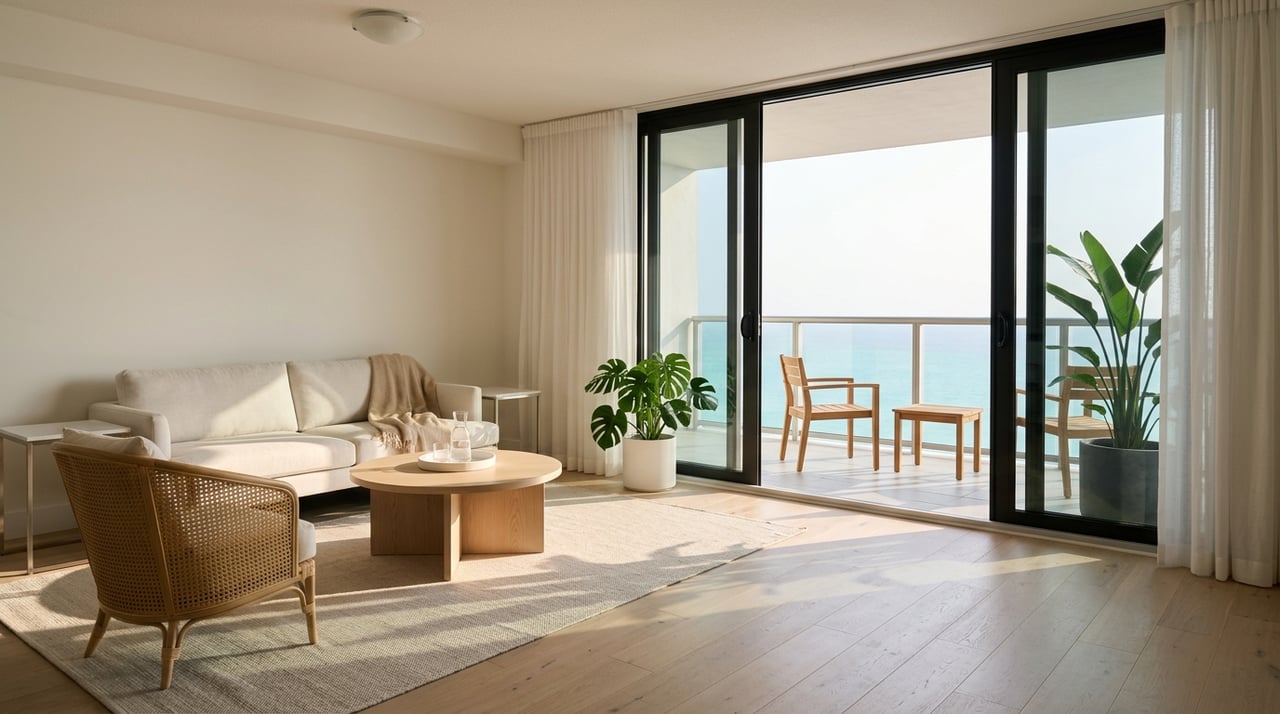
If you want waterfront living with a city feel, bayfront high-rises in Brickell, Downtown Miami, and parts of Miami Beach usually fit that lifestyle best. These areas blend water views with vertical living, shared amenities, and easier access to public spaces. The result is a more connected, on-the-go routine than you would usually find in a private waterfront home.
For many buyers, this version of waterfront living is about convenience as much as scenery. You may trade a private dock or yard for skyline views, building amenities, and a more walkable setting. That can be a strong fit if you want a home that supports a lock-and-leave lifestyle.
Brickell and Downtown Miami
Brickell and Downtown Miami are among the most transit-rich waterfront settings in the area. Metromover runs free seven days a week through downtown Miami, Omni, and Brickell. The Underline’s Brickell Backyard also links the Miami River to SW 13th Street and connects to the Miami River Greenway.
The City of Miami describes its waterfront as including a linear walkway, beaches, parks, and restaurants. That mix supports a daily routine built around movement and public space. If you like the idea of stepping out for a walk, using transit, and staying close to the waterfront without relying on a large property footprint, this area stands out.
Miami Beach Living
Miami Beach offers a different version of urban waterfront life. It is a barrier-island community with more than seven miles of beaches, and the Beachwalk is a nine-mile ADA-accessible oceanfront promenade connecting Miami Beach to Surfside and Bal Harbour. That gives residents a long, continuous path for walking, biking, and enjoying the shoreline.
Miami Beach also has distinct sub-areas with different lifestyles. South Beach is more active and event-oriented, with Ocean Drive, Lummus Park, Art Deco architecture, and direct beach access. North Beach is more residential and park-oriented, with MiMo architecture and planned town-center improvements.
The city also connects South Beach, Mid Beach, and North Beach with complimentary trolleys. That added mobility can make a big difference if you want access to different parts of the island without always driving. In practical terms, Miami Beach waterfront living often means shared amenities, public promenades, and a more social daily environment.
Miami River Living and Working-Water Character
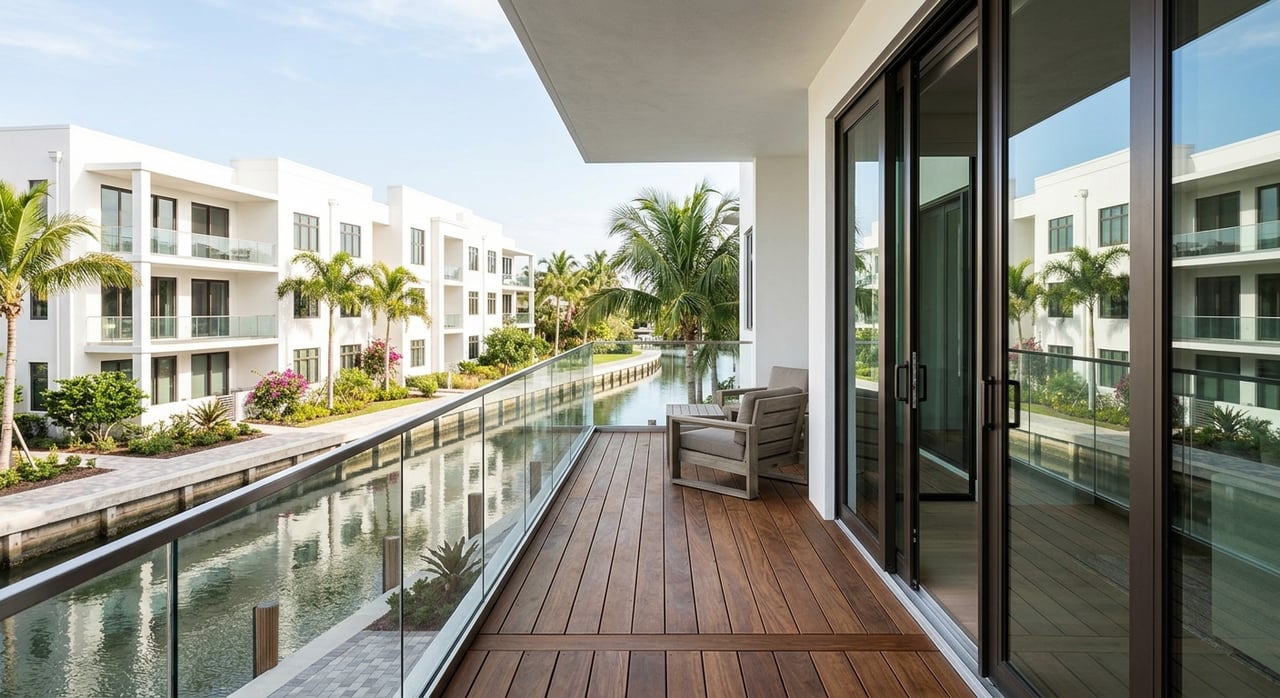
The Miami River offers a waterfront experience that feels more layered and more tied to the city’s working infrastructure. The river enters Biscayne Bay in the Brickell area of downtown Miami, and its corridor includes high-rise office, condominium, and apartment buildings. As you move farther inland, the setting shifts and becomes more connected to older residential pockets.
The Miami River Commission describes the river basin as 69 square miles and home to about 250,000 people. It also frames the river as both a working river and a destination. That dual identity gives riverfront living a different feel from open-bay towers or oceanfront promenades.
What Daily Life Feels Like on the River
Riverfront living can mean you are closer to marine industry, drawbridges, and water-based logistics. That creates a more active waterfront backdrop, especially compared with a quiet canal street or a tower facing open bay. For some buyers, that working-water character adds interest and authenticity.
The corridor also includes places like Spring Garden, which the Miami River Commission describes as historic and lined with houseboats. That kind of detail shows how the river can shift from urban to niche and neighborhood-driven within a relatively short distance. If you want waterfront living with a strong sense of place, the river can offer a compelling middle ground.
Miami-Dade also coordinates drawbridge lockdowns along the Miami River and Intracoastal Waterway before storms, and the county maintains 168 miles of secondary canals. Those facts are useful reminders that waterfront living here is tied to real infrastructure, not just views. In other words, the river is both scenic and highly functional.
Canal and Island Homes for Privacy
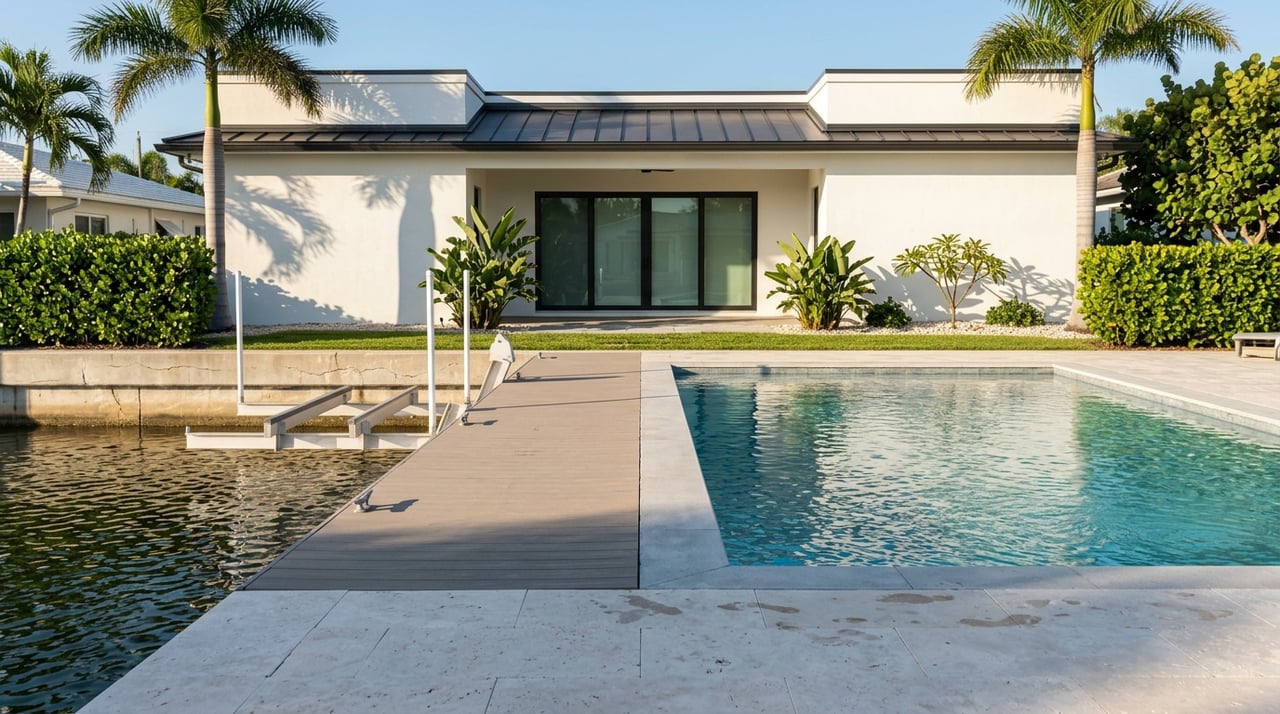
If your idea of waterfront living includes more privacy and a stronger neighborhood feel, canal and island homes may be the best fit. These areas tend to feel quieter and more residential than bayfront towers. They also often provide closer day-to-day contact with the water.
This category includes parts of Coconut Grove, Coral Gables water-oriented areas, and several island communities in Miami Beach. While each area is distinct, they often appeal to buyers who want a lower-density environment and a home-centered routine.
Coconut Grove and Coral Gables Water-Oriented Areas
Coconut Grove’s conservation district describes the neighborhood as one of Miami’s first and recognizes it for lush landscaping, public open space, recreational opportunities, proximity to Biscayne Bay, bay views, and unique single-family neighborhoods. That combination points to a lifestyle that feels established, green, and tied to outdoor living. It is a different mood from a downtown tower corridor.
Coral Gables tracks inland and coastal waterways such as the Coral Gables Waterway and the Islands of Cocoplum. The city is actively monitoring water-level differences tied to rain and canal discharge, which highlights how closely some neighborhoods are connected to water systems. For buyers, that means the waterfront experience can be both beautiful and highly site-specific.
Miami Beach Island Enclaves
In Miami Beach, well-known single-family or island communities include Palm-Hibiscus-Star Islands, Sunset Islands I-IV, Venetian Islands, La Gorce Island, and Aqua Allison Island. Neighborhood association structures in these areas suggest a more residential, property-owner-centered environment. That often translates into a more private lifestyle than you would expect in a high-turnover condo district.
If you are comparing these areas with bayfront condos, the tradeoff is usually simple. You may gain privacy, neighborhood identity, and a more house-focused experience, but you may give up some of the convenience that comes with a high-rise location and shared amenities. The right fit depends on how you want to live every day, not just how you want the water to look from your window.
Practical Factors to Compare
Lifestyle matters, but so do the day-to-day realities of owning waterfront property in Miami. A smart search balances views and amenities with flood exposure, water conditions, and access to boating infrastructure. Those details can shape your budget, your insurance needs, and your long-term comfort.
Flooding and Insurance
Flooding is a major consideration in Miami-Dade County. The county says flooding can cause major damage in minutes and notes that the area lies close to sea level and is surrounded by the Atlantic Ocean, Biscayne Bay, rivers, lakes, and canals. That is why flood risk should be part of your decision from the start.
Miami-Dade also states that flood insurance is required for any federally backed mortgage in a special flood hazard area. The county offers flood-zone tools and a sea-level-rise viewer, which can help buyers understand site-specific conditions. If you are comparing homes in different waterfront settings, this research is essential.
Water Quality
Not all waterfront is the same when it comes to water quality. Miami-Dade monitors 87 locations along Biscayne Bay and major drainage canals. According to the county, open-water sites in Biscayne Bay and other tidal waters meet or exceed recreational standards, but some urban canals and portions of the bay are impaired or affected by nutrient-driven algal blooms and seagrass loss.
That means a broad “waterfront” label does not tell the full story. If water access is central to your lifestyle, it is worth understanding whether you are looking at open bay, riverfront, or canal frontage. Each setting can come with a different environmental context.
Boating Access
If boating is part of your plan, access can vary widely by neighborhood and property type. Miami-Dade marinas offer wet slips, dry storage, boat ramps, transient dockage, fuel, bait and tackle, and rentals. The county also asks boaters to call ahead about launch times, parking, and weather, which shows how practical the boating side of waterfront life can be.
Matheson Hammock Park offers a marina with about 330-vessel capacity, 11 launch lanes, a fuel dock, pump-out facilities, and water and electric service. For buyers, examples like this help show that boating convenience does not depend only on whether your home touches the water. In some cases, nearby marina access may matter just as much.
How to Choose the Right Miami Waterfront Lifestyle
A useful way to narrow your options is to start with your daily routine. If you want walkability, skyline views, and a condo-first lifestyle, bayfront high-rises in Brickell, Downtown, or parts of Miami Beach may feel right. If you want a more layered waterfront setting with urban character and working-river energy, the Miami River corridor may deserve a closer look.
If privacy, neighborhood identity, and closer water contact matter most, canal and island homes may be the better long-term fit. None of these options is universally better than the others. The best choice is the one that matches how you want to move through your week, use the water, and balance convenience with privacy.
Miami-Dade’s Water Recreation Access Plan aims for responsible, balanced, and equitable access to Biscayne Bay and the county’s waterways. That broader public goal reflects something buyers feel on a personal level too. In Miami, waterfront living is not just about owning near the water. It is about choosing the kind of access, environment, and pace that fits your life.
If you are planning a move in South Florida and want guidance that balances lifestyle goals with practical property insight, Isaias Franco offers personalized, bilingual support for buyers, sellers, and investors.
FAQs
What are the main types of waterfront living in Miami?
- Miami waterfront living generally falls into three categories: bayfront or beach-promenade living, riverfront living, and canal- or island-based single-family living.
What is bayfront condo living like in Brickell or Downtown Miami?
- Bayfront condo living in Brickell or Downtown Miami usually offers skyline views, shared amenities, transit access, and a more walkable, urban routine.
What makes Miami Beach waterfront living different?
- Miami Beach combines bay and ocean access, more than seven miles of beaches, a nine-mile Beachwalk, and distinct sub-areas like South Beach and North Beach with different daily lifestyles.
What is unique about living near the Miami River?
- Miami River living blends residential buildings with a working-waterfront setting that includes marine industry activity, drawbridges, and older neighborhood pockets such as Spring Garden.
Are canal and island neighborhoods in Miami more private?
- Canal and island neighborhoods often feel quieter, more residential, and more neighborhood-driven than bayfront high-rise districts.
What should buyers know about flood risk in Miami-Dade waterfront areas?
- Miami-Dade says flooding is a major concern because the county is close to sea level and surrounded by water, and flood insurance is required for federally backed mortgages in special flood hazard areas.
Does water quality vary across Miami waterfront locations?
- Yes, Miami-Dade says many open-water Biscayne Bay sites meet or exceed recreational standards, while some urban canals and parts of the bay are impaired or affected by algal blooms and seagrass loss.
How does boating access differ by Miami waterfront neighborhood?
- Boating access varies widely, and buyers may rely on private water frontage, nearby marinas, boat ramps, dry storage, or public launch facilities depending on the area.