You can love Hollywood and still be torn between two very different ways of living there. One option puts you steps from the sand and the Broadwalk. The other gives you more space, more control, and a different kind of day-to-day comfort inland. If you are deciding between a beachfront condo and an inland single-family home in Hollywood, this guide will help you compare lifestyle, costs, risks, and flexibility so you can choose with more confidence. Let’s dive in.
Hollywood Living Starts With Lifestyle
Hollywood offers more than one version of South Florida living. On the beach side, the city highlights Hollywood Beach and its nearly 2.5-mile Broadwalk, along with beach access points, public art, live music, a children’s water playground, and shuttle service between the beach and Downtown Hollywood.
Inland, you are not giving up amenities so much as shifting how you access them. City materials point to more than 49 parks, dog parks, a dog beach, ArtsPark at Young Circle, golf, tennis, community centers, and other recreation across Hollywood.
That means this choice is usually not about whether one area has a lifestyle and the other does not. It is about which lifestyle feels more natural for the way you want to live.
Beachfront Condo: Access and Convenience
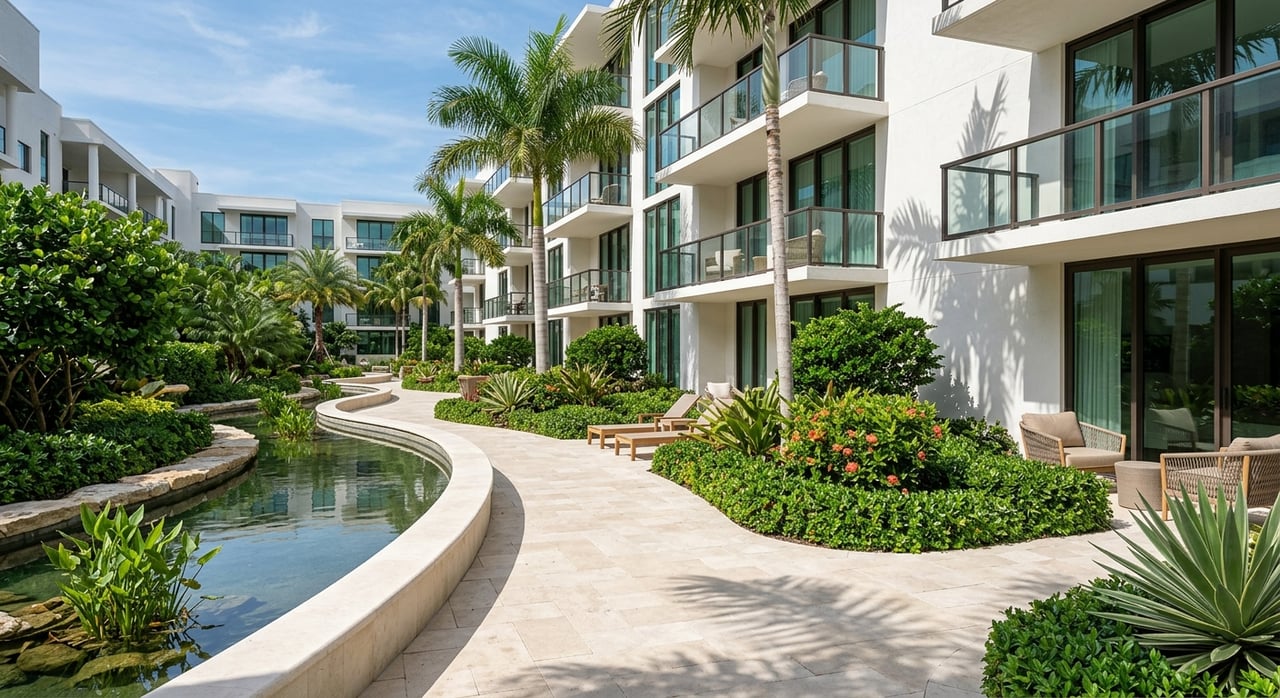
A beachfront condo often appeals to buyers who want immediate access to the ocean and a highly walkable setting. You can be close to the Broadwalk, dining, beach activity, and the energy that draws visitors to Hollywood Beach year-round.
That convenience can be a real advantage if you want a lock-and-leave property or prefer shared amenities over maintaining your own yard and exterior. For many buyers, that trade feels worth it because the beach is part of everyday life, not a weekend plan.
What beachfront living feels like
Hollywood Beach is active and public. The Broadwalk is used by pedestrians, joggers, bicyclists, and rollerbladers, and the city notes that the area attracts millions of visitors each year.
That public setting shapes the ownership experience. You are often trading some privacy and control for direct beach access, shared convenience, and a more visitor-facing environment.
Beach rules matter more than you think
If you are comparing a condo on the beach to an inland home, local rules are part of the lifestyle equation. The city’s beach rules prohibit pets on the beach or Broadwalk, scooters on the Broadwalk, tables on the beach, and alcohol, glass, or fire use in public beach areas.
For some buyers, those rules are minor. For others, especially buyers who want more privacy or fewer activity restrictions, they can be a meaningful difference.
Inland Single-Family Home: Control and Space
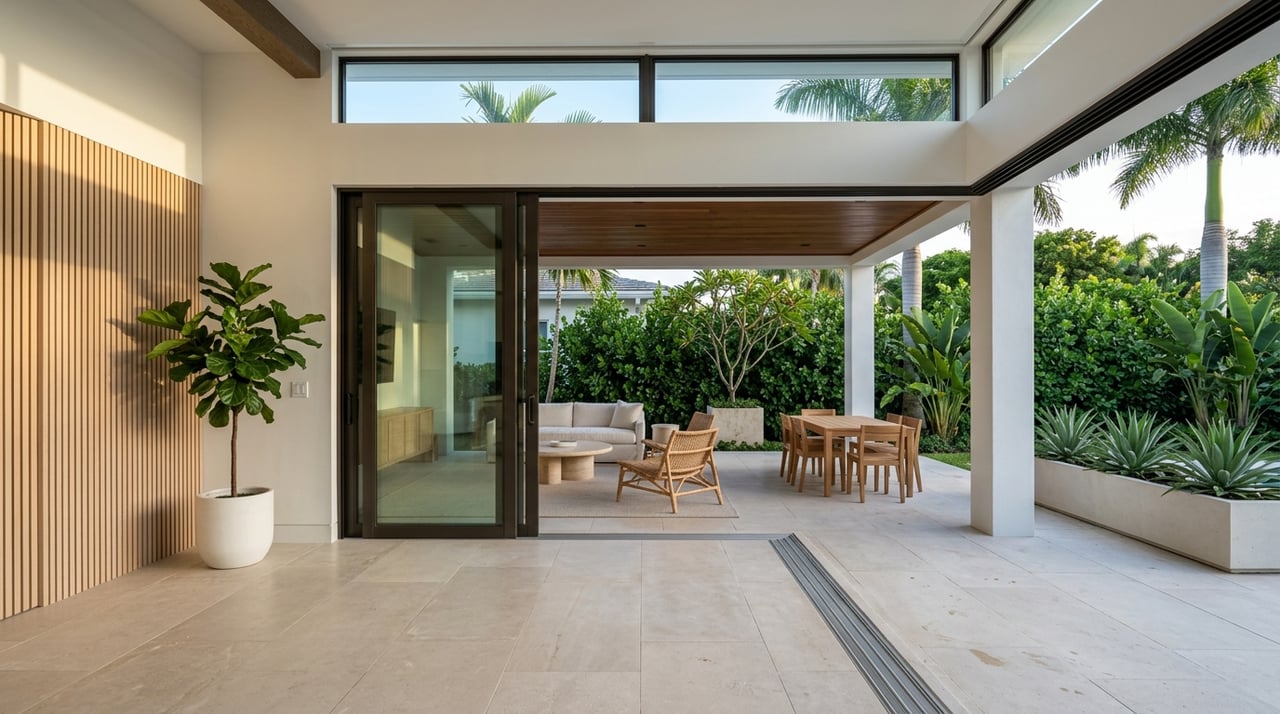
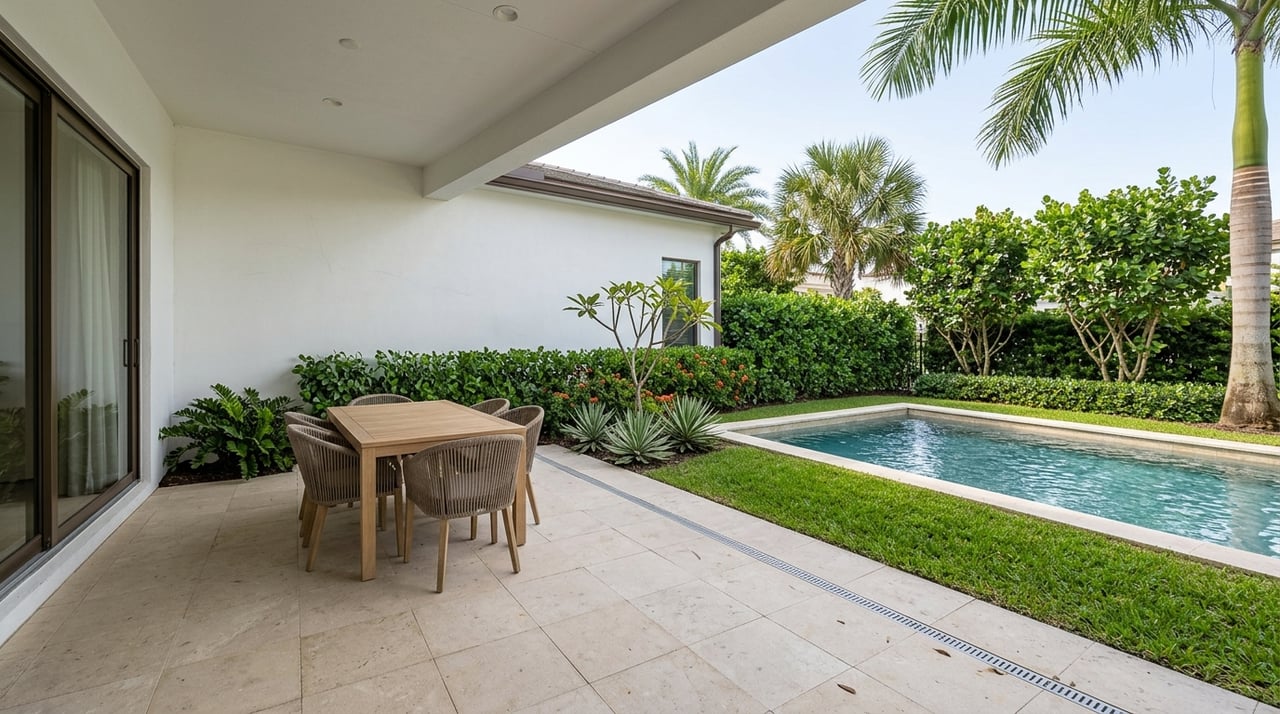
An inland single-family home usually fits buyers who want more direct control over the property. Detached homes often come with fewer shared common areas and more room to personalize how you use the space.
That can mean more privacy, more private outdoor space, and a simpler sense of ownership. You are not relying on a condominium association to manage major shared components, but you are taking on more direct responsibility yourself.
Inland does not mean giving up amenities
A common mistake is assuming inland living is a compromise on quality of life. In Hollywood, that is not really the case.
The city’s inland amenity network includes parks, arts venues, sports facilities, community centers, and neighborhood recreation. If you do not need to walk out to the ocean every day, inland living can still support an active and enjoyable lifestyle.
More control also means more responsibility
With a detached home, the ownership structure is often easier to understand. Florida’s consumer insurance guidance notes that owner-occupied single-family homes are typically insured under an HO-3-style homeowners policy, which generally covers the dwelling, attached structures, certain unattached structures, personal property, liability, and additional living expense.
That simpler structure does not remove costs. It just means the maintenance, insurance decisions, and upkeep sit more squarely with you as the owner.
The Market Snapshot in Broward County
Recent Broward County numbers show why some buyers start with condos and others focus on single-family homes. In January 2026, the median sale price was $620,000 for single-family homes and $250,000 for condos and townhouses.
Supply also looked very different by property type. Broward had 5.1 months of supply for single-family homes versus 11.5 months for condos, which MIAMI Realtors described as a seller’s market for single-family homes and a buyer’s market for condos.
This does not mean every condo is a bargain or every house is harder to buy. It does mean your negotiating position, available inventory, and long-term budgeting may look very different depending on which path you choose.
Ownership Costs: Lower Price Does Not Always Mean Lower Cost
A condo often has the lower purchase price upfront. But that does not automatically make it the lower-cost option over time.
In many cases, part of the cost of ownership shifts from direct maintenance to HOA dues, reserve funding, and the possibility of special assessments. That is why the lower price of a condo can be offset, at least partly, by ongoing association costs and future building obligations.
Condo insurance and assessments
Florida condo owners generally need HO-6 insurance. State consumer guidance says this type of policy primarily covers personal property and liability, plus some building items inside the unit, while the association’s master policy covers common areas and many exterior or common components.
The same guidance says owners need at least $2,000 of loss-assessment coverage. That matters because condo ownership may reduce day-to-day exterior maintenance, but it does not eliminate financial exposure if the association faces uninsured losses or insufficient reserves.
Condo law adds another layer
Florida condo law now places structural compliance obligations on many multi-story condominium buildings. Residential condo associations with three-habitable-story buildings must complete milestone inspections and structural integrity reserve studies, and those studies must cover major building components such as the roof, structure, fire protection, plumbing, electrical systems, waterproofing, exterior painting, windows, exterior doors, and certain deferred-maintenance items over $25,000.
For many buyers, this is one of the biggest differences between an older beachfront condo and an inland house. These rules can create long-term uncertainty that is not always obvious from the listing price alone.
Single-family cost planning is often simpler
Detached homes are outside the condo milestone-inspection statute and structural-integrity-reserve-study requirements that apply to many condominium buildings. That does not make a home cheap to maintain, but it usually makes the ownership structure easier to forecast.
If you prefer knowing that roof, exterior, and systems decisions are yours alone, an inland house may feel more straightforward. If you prefer shared management, a condo may still fit better, but you will want to study the documents carefully.
Flood Risk Is Important in Both Options
It is easy to assume the beach carries flood risk and inland homes do not. In Hollywood, that is too simple.
The city says it is vulnerable because of miles of shorelines and waterways, flat topography, and a shallow water table. The city also notes that its National Flood Insurance Program Community Rating System classification of 8 gives policyholders in Hollywood a 10 percent premium reduction on National Flood Insurance policies.
Inland homes still need flood review
Standard homeowners insurance does not cover flood losses. Flood insurance is a separate policy, and there is no such thing as a no-risk zone.
That means both a beachfront condo and an inland single-family home need address-level flood review. Before you commit, it is smart to verify the specific property’s flood zone, elevation, insurance options, and lender requirements.
Rental Flexibility Depends on More Than Property Type
Some buyers look at this choice through an investment lens. They want to know which option gives them more flexibility for future rental use.
The answer is: it depends on the exact property and the rules attached to it. In Hollywood, city rules and association rules can both affect what is allowed.
City vacation rental rules
Hollywood requires a Vacation Rental License for any dwelling unit rented to guests more than three times a year for periods under 30 days. The city defines a dwelling unit broadly, including single-family homes, condominium units, and apartment units.
Licensed vacation rentals must use noise-level detection devices, and the city uses a complaint-and-enforcement process for issues such as noise, parking, and trash. So even if a property seems ideal for short-term rental use, you still need to verify compliance.
Condos can be more restrictive
A beachfront condo may look like the obvious rental play, but Florida condominium disclosures must spell out leasing restrictions and other unit-use restrictions. In practice, one condo building may be rental-friendly while another may impose meaningful limits.
An inland home can sometimes offer more flexibility, but only if zoning, city licensing rules, and any HOA covenants allow it. This is one area where assumptions can be expensive.
Which Option Fits You Best?
The cleanest way to think about this decision is simple: beachfront condos trade maintenance for access, while inland single-family homes trade access for control.
A beachfront condo may be the better fit if you prioritize beach access, walkability, shared amenities, and lock-and-leave convenience. You should also be comfortable budgeting for HOA dues, reserve funding, and the possibility of special assessments.
An inland single-family home may be the better fit if you want more privacy, more direct control over the property, and a simpler structural-governance profile. You should also be ready to handle more of the maintenance and insurance responsibility directly.
Smart Due Diligence Before You Buy
Whichever path you choose, the most important next step is property-specific research. In Hollywood, broad trends help, but the right answer usually comes down to the exact address, building, and ownership structure.
Before making a decision, review these items carefully:
- Address-level flood zone and flood-risk profile
- Insurance quotes for the exact property type
- Condo or HOA documents and rules
- Budget, reserves, and any known assessments if you are buying a condo
- Whether the condo is affected by milestone-inspection or reserve-study rules
- Rental and leasing restrictions if future income is part of your plan
If you want clear guidance as you compare South Florida property types and ownership costs, Isaias Franco can help you evaluate the details and move forward with confidence.
FAQs
What is the biggest lifestyle difference between a Hollywood beachfront condo and an inland single-family home?
- A beachfront condo usually offers direct beach and Broadwalk access in a more public, walkable setting, while an inland single-family home usually offers more privacy, more direct property control, and access to Hollywood’s parks and recreation network.
Are Hollywood condos cheaper than inland single-family homes in Broward County?
- Broward County data for January 2026 showed a median sale price of $250,000 for condos and townhouses versus $620,000 for single-family homes, but condo ownership can also include HOA dues, reserve funding, and possible special assessments.
Do Hollywood inland homes still have flood risk?
- Yes. Hollywood notes citywide flood vulnerability, standard homeowners insurance does not cover flood losses, and there is no no-risk zone, so inland properties still need address-level flood review.
Can you use a Hollywood condo or single-family home as a short-term rental?
- Possibly, but only if the city’s Vacation Rental License rules allow it and any condo, HOA, zoning, or use restrictions also permit it.
What insurance is common for a Hollywood condo versus a single-family home?
- Florida consumer guidance says condo owners generally need HO-6 insurance, while owner-occupied single-family homes are typically insured under an HO-3-style homeowners policy.
Why should buyers review condo documents carefully in Hollywood?
- Condo documents can reveal leasing restrictions, reserve obligations, and building-related financial exposure, including whether the association is affected by Florida milestone-inspection and structural reserve requirements.