Thinking about a condo in West Palm Beach but not sure where to start? You are not alone. With so many buildings, amenities, fees, and new Florida rules, it can feel complex. This guide breaks it down so you can compare options with confidence, avoid surprises, and buy the lifestyle you want. Let’s dive in.
Market snapshot: what buyers should know now
West Palm Beach sits inside a high-demand, high-cash South Florida market where performance varies by submarket. County-level reports showed shifting momentum through 2024 and 2025 as inventory rose in some areas and days on market lengthened, which gave buyers more room to negotiate in many condo segments. Local coverage noted condo medians around the low $300Ks in 2025 at the county level, with meaningful splits between luxury and entry tiers. You can track monthly changes in Palm Beach County reports from the local Realtor association to stay current on trends and leverage points for your search. You will find that context in the MIAMI REALTORS market updates.
The area also has an outsized luxury tier that behaves differently from mainstream stock. High-end waterfront towers and branded residences can command strong prices even when lower-priced condos take longer to sell. For you as a buyer, that means headlines about luxury strength may not reflect the negotiation room available in entry and mid-tier buildings. A building-by-building approach is key.
Find your best condo fit
West Palm Beach offers several clear condo types. Start by matching lifestyle and budget to the product that fits how you plan to live.
Downtown and urban towers
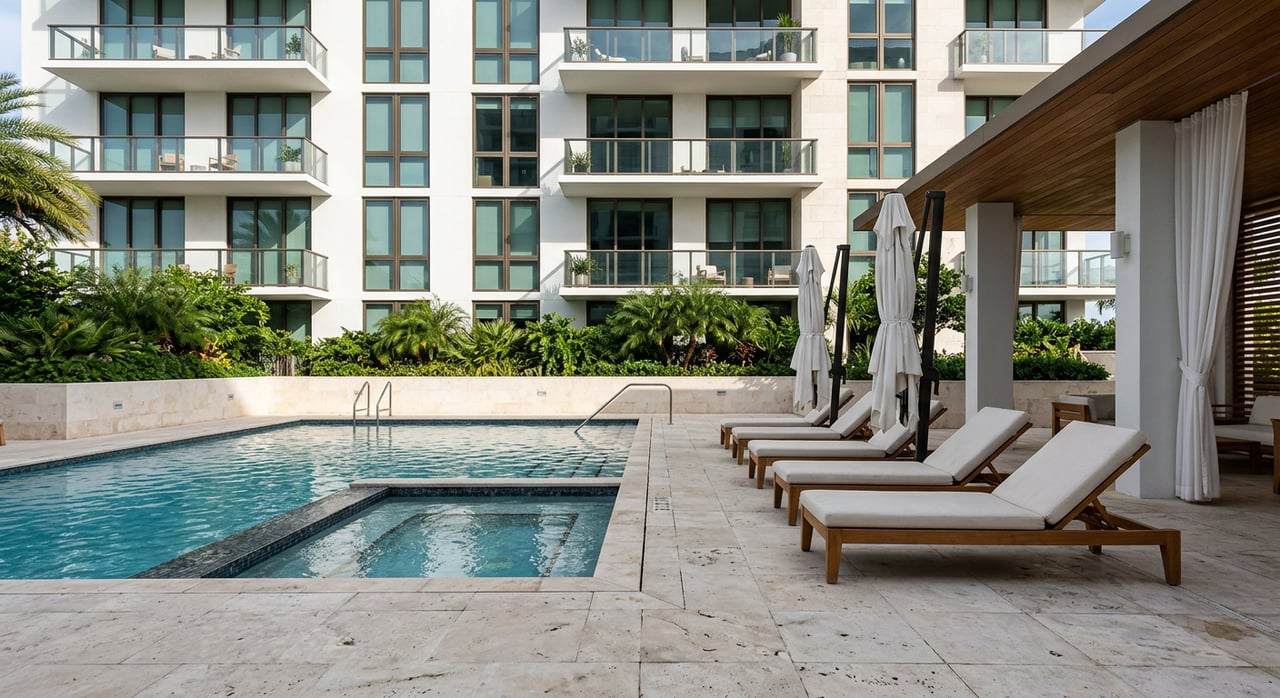
If you want walkability to Clematis Street, Flagler Drive, and Rosemary Square, downtown high-rise and mid-rise buildings deliver convenience and services. Expect features like concierge, valet, fitness centers, and on-site security, often with smaller 1 to 2 bedroom floorplans and lock-and-leave ease. Pricing varies by building, level, and finish, and full-service amenities usually mean higher monthly association fees. This setup is ideal if you value a quick commute, dining and arts access, and low-maintenance living.
Waterfront and Intracoastal views
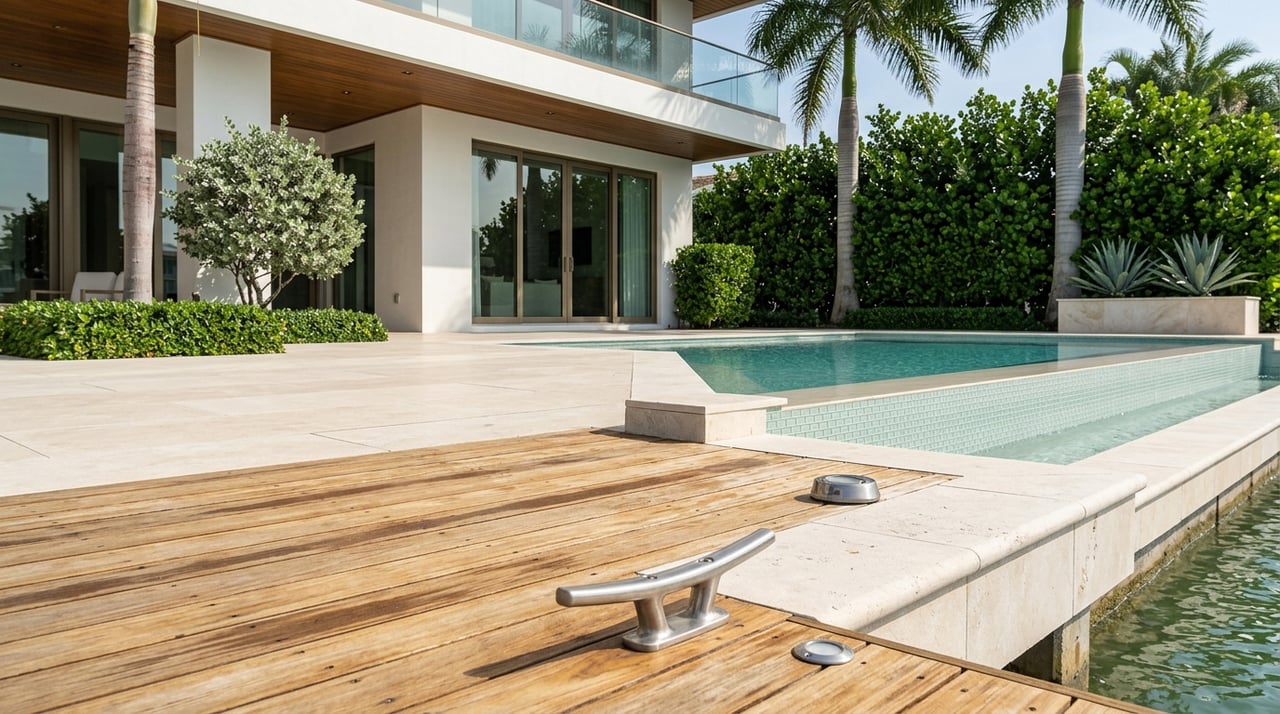
Along South Flagler Drive and the West Palm shoreline, waterfront towers focus on views, larger floorplates, and resort-level amenities. Some communities offer or allow access to boat slips nearby, plus elevated concierge services and club-style spaces. Insurance exposure for wind and flood is higher near the water, which can influence dues and reserves. These buildings attract buyers who place a premium on panoramic water views and on-site services.
Garden-style and low-rise value
A few blocks from downtown and across the metro, you will find courtyard and low-rise condos that trade services for space and value. Amenities tend to stay basic, such as a pool and exterior maintenance, and monthly dues are typically lower than full-service towers. This can be a smart option if you want more square footage on a similar budget.
Golf-adjacent and country-club condos
If your lifestyle centers on the course, look at condo and villa options in greater metro areas like Palm Beach Gardens, Jupiter, and Wellington. These communities pair maintenance-light residences with club membership options, which shape both pricing and HOA structures. They are popular with seasonal buyers and golfers who prefer a resort rhythm over an urban address.
HOA fees: what you get and what to expect
Condo fees in West Palm Beach reflect amenity level, staffing, and building age. Use the following tiers to set expectations before you tour.
- Basic and garden-style communities: pool, exterior maintenance, landscaping. These often have the lowest dues.
- Full-service urban towers: concierge, valet, fitness centers, pools, staffed security. Fees tend to be mid to high.
- Ultra-luxury residences: private clubs, multiple pools and spas, robust concierge teams, possible marina access. These carry the highest dues, especially for large residences and penthouses.
What fees usually cover:
- Common-area maintenance, elevators, landscaping, exterior and roof upkeep, and association insurance on common elements and the building shell, subject to the declaration. Utilities for common areas are typically included, and some buildings include basic cable or internet.
- What fees do not usually cover: interior finishes and personal property. Most buyers purchase an HO-6 policy for interior coverage and liability. Florida law outlines association versus owner responsibilities for insurance and maintenance, which you can review in state materials on condominium insurance scope from the Florida Senate’s archives of condo statutes and bill text. A helpful starting point is the state bill text on condo insurance obligations available from the Florida Senate site.
Financing and warrantability: why the building matters
Your loan options hinge on the building’s financial health and compliance with conventional guidelines. Fannie Mae and Freddie Mac require condo projects to meet tests for reserves, owner-occupancy, delinquency limits, single-entity ownership, and more. If a building fails, it is considered non-warrantable and buyers often need portfolio or non-QM loans with higher down payments and rates. You can review common project-review hurdles in this clear guide to conventional condo project reviews.
Because South Florida has many older condo buildings, plus instances of litigation and reserve shortfalls, fewer projects qualify for low-down-payment financing. That is one reason certain price tiers see a high share of all-cash transactions, as local reports have noted. If you plan to finance, ask your lender to confirm warrantability early and to order the condo questionnaire as soon as you are serious about a building. A limited review may be possible for well-qualified borrowers with higher down payments, but you will want that confirmed before you write an offer.
Florida building safety rules you must check
Florida enacted milestone inspections and Structural Integrity Reserve Studies, known as SIRS, for 3-story-and-higher buildings. A milestone inspection is due at year 30, or at year 25 if the building is within 3 miles of the coastline, and then every 10 years after. Associations must also complete and fund SIRS for major structural components on the same schedule. These reports must be available to owners and often to prospective buyers. You can read the underlying statute in SB 4-D on the Florida Senate website.
What this means for you: if a milestone inspection or SIRS identifies significant work, an association may need special assessments, which increases ownership costs and can affect financing. Buildings with unresolved structural issues or underfunded reserves can be flagged by lenders and become non-warrantable. Always request the inspection summary and SIRS during due diligence.
Insurance, flood zones and coastal risk
If you use a mortgage and the property is in a FEMA Special Flood Hazard Area, your lender will likely require flood insurance. Waterfront and low-elevation buildings often sit in higher-risk zones, which can affect premiums and mitigation requirements. Look up the exact flood zone for the address using the FEMA Flood Map Service Center.
Also ask for the association’s insurance policy declarations. Confirm the hazard and windstorm coverage, deductibles, windstorm sublimits, and whether the association carries a flood policy for common elements or units. Large deductibles can lead to special assessments after a severe storm. Florida bill text provides a helpful overview of association versus unit-owner responsibilities around insurance that you can reference on the Florida Senate resource page.
Taxes, rentals and foreign-buyer notes
Property taxes vary by municipality and special district. Florida’s homestead exemption and Save Our Homes cap apply only to a primary residence, so non-homestead and second-home buyers should budget accordingly. Ask your closing team to estimate taxes based on your use and purchase price.
Planning to rent your condo part-time or short-term can change the math. West Palm Beach and county rules can restrict short stays, and associations often set minimum lease periods or waiting periods. If you plan transient rentals, review local ordinance guidance and permitting steps, such as the overview of West Palm Beach short-term rental compliance from Kelley, Grant & Tanis, P.A.. Also note that transient rentals are subject to the county Tourist Development Tax, with registration and filing required through the Palm Beach County Tax Collector.
If the seller is a foreign person, FIRPTA may require tax withholding at closing. The IRS provides detailed rules on when buyers have withholding duties and how to handle exceptions. Review the IRS guidance on FIRPTA withholding for real property and consult your tax advisor early.
Buyer due diligence: the essential condo checklist
Before you write an offer, ask your agent to help you collect and review these items. They reveal the building’s true condition and cost of ownership.
- Association budget and current year P&L. Do dues cover operating needs without chronic shortfalls?
- Structural Integrity Reserve Study and milestone inspection summary for 3-story-plus buildings. Confirm whether a Phase 2 inspection was required and what repairs were recommended. See the state’s SB 4-D statute for context on milestone and SIRS requirements.
- Minutes from the past 12 months of board meetings. Look for repeated maintenance issues, bids in progress, or talk of assessments.
- Association insurance certificate and declarations page. Verify coverages and wind or flood deductibles, and compare to the insurance scope outlined in Florida materials on association and unit-owner responsibilities.
- Resale or estoppel certificate. Check for unpaid dues, special assessments, and transfer fees.
- Litigation disclosure and a short memo from your attorney. Lender project reviews often flag active structural or major defect litigation as a problem.
- Delinquency schedule. What percent of owners are 60 days or more past due? Conventional guidelines often treat high delinquency rates as a deal breaker. See typical thresholds in this guide to conventional project reviews.
- Rental policy summary. Are rentals allowed, and what is the minimum lease term or any waiting period for resale buyers? If you plan short-term or seasonal stays, confirm both the association rule and the city’s requirements, such as those described in the West Palm Beach short-term rental overview.
Smart timeline for your purchase
- Get pre-approved and align on loan type. Ask your lender about full vs limited project reviews and whether your target buildings are warrantable.
- Have your agent request key association documents before you write or right after acceptance. Early access to the budget, SIRS, and insurance saves time.
- Order the condo questionnaire as soon as you are serious about a building. Your lender can usually do this, and fast answers reduce risk.
- Build in a longer inspection and due diligence window for older buildings. If milestones or SIRS point to structural items, consider a consult with an engineer.
- For international buyers: plan for FIRPTA guidance, non-homestead taxes, and alternative financing if the project is non-warrantable.
Putting it all together
A successful West Palm Beach condo purchase starts with clarity on lifestyle, fees, and building health. Focus your search by product type, confirm what the HOA covers, verify project warrantability with your lender, and read the building’s safety and reserve reports. With the right prep, you can enjoy the coastal lifestyle you want without costly surprises.
If you would like a building-by-building comparison, fee breakdowns, and a short list of best-fit options for your goals, connect with Isaias Franco. As a bilingual local expert with deep Palm Beach market knowledge, he will help you buy with confidence.
FAQs
What is the current state of the West Palm Beach condo market in 2026?
- County reports show mixed momentum, with some inventory growth and longer days on market that can improve buyer leverage in certain condo segments. Track monthly updates from MIAMI REALTORS.
What do typical condo HOA fees cover in West Palm Beach?
- Fees usually cover common-area maintenance, exterior and roof upkeep, elevators, landscaping, and association insurance on common elements, while owners insure interiors and personal property per Florida guidance on condo insurance scope.
How do Florida milestone inspections and SIRS affect my purchase?
- For 3-story-plus buildings, required inspections and reserve studies reveal structural needs and funding plans, which can lead to special assessments and affect loan eligibility. See SB 4-D details on the Florida Senate site.
What is a non-warrantable condo and why does it matter?
- A non-warrantable project does not meet conventional guideline tests for reserves, occupancy, or litigation, which limits loan options and often requires higher down payments. Review common criteria in this condo project review overview.
Do I need flood insurance for a West Palm Beach condo?
- If the building sits in a FEMA Special Flood Hazard Area and you have a mortgage, flood insurance is typically required, and premiums vary by risk zone. Check the property’s zone at the FEMA Flood Map Service Center.
Can I rent my West Palm Beach condo short-term?
- Maybe, but you must confirm both association rules and city requirements, plus register and file the county Tourist Development Tax for transient rentals. Start with this legal overview of local short-term rental rules and the county’s TDT page.