If you are thinking about buying a second home in South Florida, Fort Lauderdale stands out for a simple reason: it can serve your lifestyle now and potentially support seasonal rental use when you are away. Between the beaches, waterways, airport access, and steady visitor demand, this market attracts both personal-use buyers and small investors. The key is knowing how local rules, pricing, and neighborhood differences shape your options. Let’s dive in.
Why Fort Lauderdale Draws Seasonal Buyers
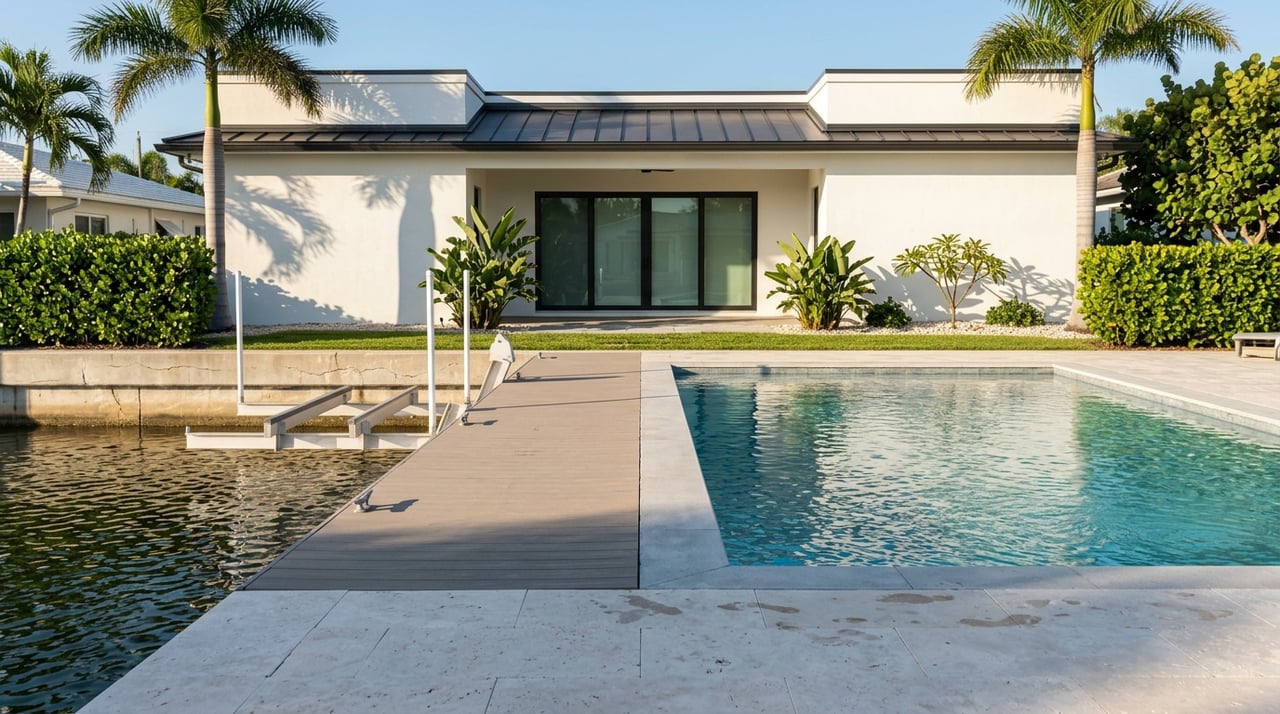
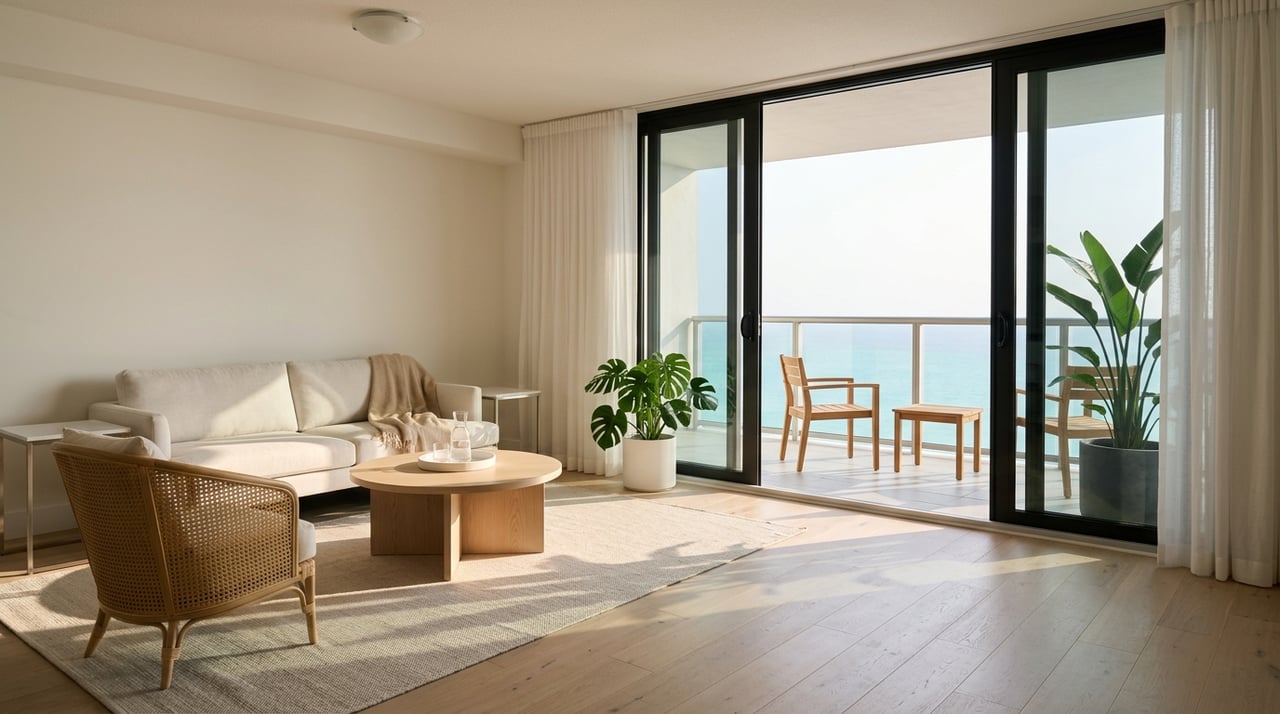
Fort Lauderdale has long appealed to second-home buyers who want a warm-weather base with strong travel access. The city highlights 165 miles of navigable waterways, about 3,000 hours of annual sunshine, and seven miles of beaches, with Fort Lauderdale Beach itself listed as a three-mile public beach. That mix helps explain why boating, waterfront living, and beach access are central parts of the local lifestyle.
Travel convenience also supports demand. Broward County reported that Fort Lauderdale-Hollywood International Airport handled more than 32 million passengers in FY2025. For buyers who split time between states or countries, that kind of connectivity can make second-home ownership much easier to manage.
Tourism activity adds another layer. Broward County reported FY2025 hotel occupancy of 71.3%, with hotel revenue up 1.3% over FY2024, and Visit Lauderdale said March 2026 hotel occupancy reached 85%. Those numbers do not guarantee rental performance for any one property, but they do show that the area continues to attract a large flow of visitors.
Seasonality still matters here. Visit Lauderdale actively promotes the area as a winter escape, and local market commentary points to winter as the true peak for snowbirds, international visitors, and buyers looking for waterfront access and airport convenience. For many second-home owners, that seasonal pattern is what makes Fort Lauderdale especially appealing.
How Seasonal Rentals Work Locally
If you plan to rent out your property part-time, local rules matter as much as the property itself. In Fort Lauderdale, any residential single-family, two-family, three-family, or four-family house or condo advertised for periods of 30 days or less to transient occupants must register with the city’s vacation-rental program. The city says this program is designed to keep operators current on licensing, taxes, and minimum housing and life-safety standards.
At the county level, Broward’s Tourist Development Tax rate is 6%, and it applies to rentals of six months or less. Broward also states that rentals longer than six months can be exempt only when supported by a bona fide written long-term lease. Without that, the first six months remain taxable.
These rules create an important practical framework for buyers. Rentals of less than 30 days fall into the city’s vacation-rental structure, while rentals of six months or less may trigger county transient-rental tax. For many owners, that makes the 30-plus-night seasonal rental model especially relevant.
The city also requires landlord registration for rental properties, even outside the short-term rental context. Fort Lauderdale notes that peak-season vacation-rental applications and renewals can take about 10 to 12 business days. The city’s 2023 ordinance changes also added noise-detection requirements and increased penalties for certain violations, which suggests compliance is not something to treat lightly.
Why 30-Plus-Night Rentals Matter
Fort Lauderdale is often discussed as a vacation market, but the local data suggests a broader seasonal leasing story. AirDNA’s current market overview lists 10,583 vacation-rental properties, a 55% occupancy rate, a $317.70 average daily rate, and a $162.30 RevPAR. Those figures point to an active rental environment, but the stay-length mix is especially important for second-home buyers.
According to AirDNA, 36% of listings require a 30-plus-night minimum stay, and 58% are available 271 to 365 nights per year. In addition, 84% are entire homes. Together, those numbers suggest Fort Lauderdale is not just a nightly rental market. It has a meaningful mid-term and seasonal segment that may align better with second-home ownership.
For you as a buyer, that can change the type of property that makes sense. A home that works well for multi-week or multi-month guests is often easier to position for seasonal demand than a property set up only for occasional personal use. That does not mean there is one perfect format, but it does point many buyers toward units that are easy to maintain and ready for extended stays.
Condo and HOA Rules Need Close Review
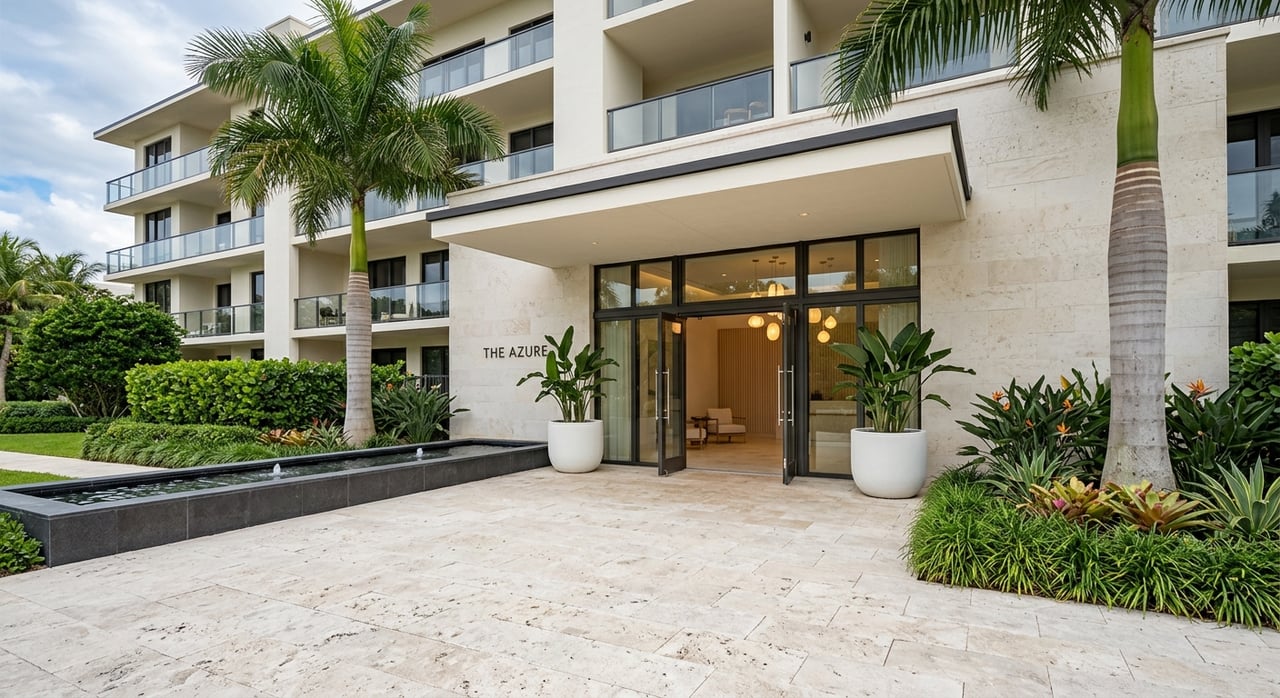
City and county rules are only part of the picture. If you are buying a condo or a home in an association, the declaration and lease rules may be more restrictive than local law. That is one of the most important due-diligence points in Fort Lauderdale’s second-home market.
Florida Statute 718.110(13) says that an amendment prohibiting rentals, changing rental duration, or limiting rental frequency applies only to owners who consent to the amendment and to buyers who take title after the amendment becomes effective. In practical terms, this means lease rules can vary meaningfully from one building to another, and they can directly affect your intended use.
Before you buy, make sure you understand:
- Minimum lease term requirements
- Limits on how often you can lease
- Waiting periods before a new owner can rent
- Approval requirements for tenants
- Building rules that affect furnished or seasonal use
A property can look ideal on paper and still be the wrong fit if the association documents do not match your plan.
Fort Lauderdale Pricing at a Glance
Citywide, Fort Lauderdale pricing sits in the low-to-mid $600,000s depending on the source and metric. Realtor.com shows a median listing price of about $625,000 and roughly 3,600 homes for sale. Redfin reports a recent median sale price of $610,000, with homes taking about 102 days to sell.
On the rental side, Realtor.com shows a median rental price of about $2,575 per month and roughly 4,100 rental listings. That broad citywide view is useful, but it does not tell the full story for seasonal and second-home buyers. In Fort Lauderdale, pricing and rental potential can shift quickly based on water access, beach proximity, and building amenities.
Neighborhood Tiers Change the Strategy
Fort Lauderdale is not one uniform rental or second-home market. Recent neighborhood snapshots from Realtor.com show major differences across coastal and inland areas:
| Area | Median Listing Price | Median Rent |
|---|---|---|
| Central Beach | $1.05M | $5,550 |
| Galt Mile | $519K | $3,950 |
| Victoria Park | $981.5K | $2,575 |
| Coral Ridge | $1.75M | $3,292 |
| Las Olas Isles | Not cited in report | $27.5K |
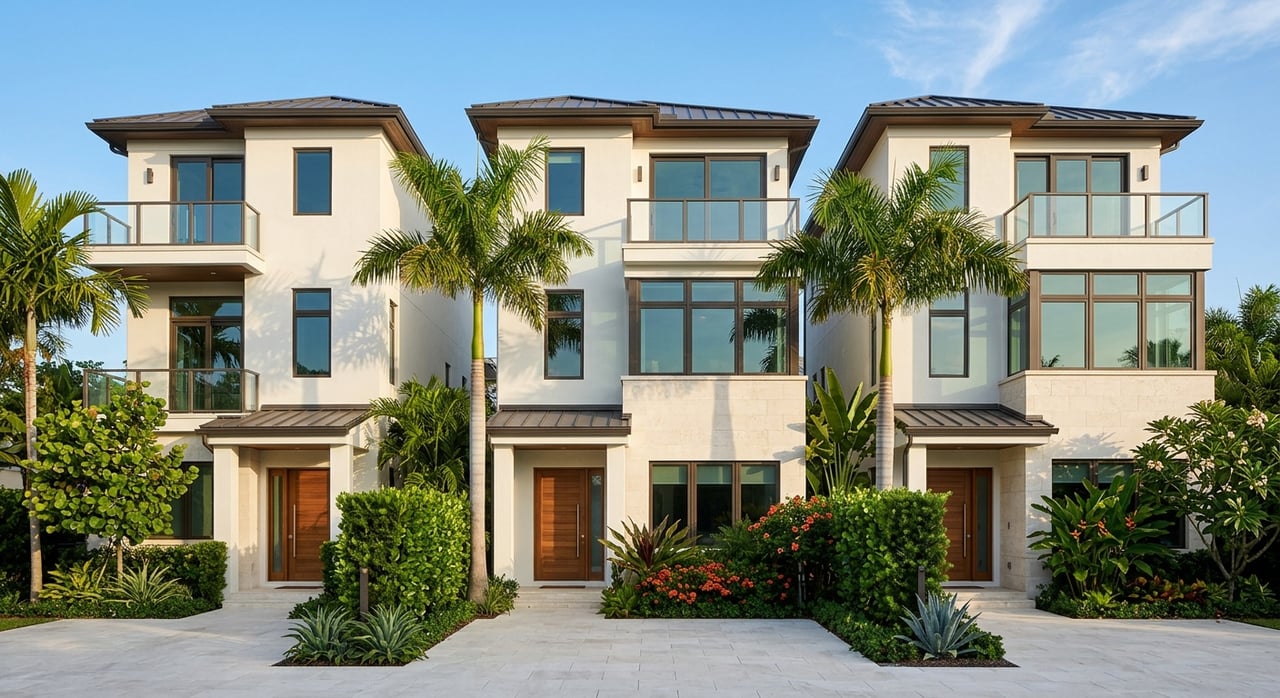
These figures suggest that beach access, canal frontage, marina proximity, and luxury amenities can materially affect both entry price and rent profile. A waterfront or ocean-adjacent property may offer stronger seasonal appeal, but it may also come with a much higher acquisition cost.
Meanwhile, inland neighborhoods may offer lower purchase prices and more manageable carrying costs. The tradeoff is that they may not capture the same level of seasonal demand tied to boating, beach access, or resort-style settings. Your best choice depends on whether your priority is personal use, occasional rental income, or a more investment-minded approach.
What to Look for in a Second Home
The best second home is usually the one that works for you first and leases well second. In Fort Lauderdale, that often means focusing on practical features that support both owner enjoyment and smoother seasonal use. A beautiful property can still be difficult to manage if the logistics are wrong.
Look closely at features such as:
- Easy maintenance
- Reliable parking
- Building or community amenities
- Clear rental and registration pathways
- A layout that works for longer stays
- A location that matches your lifestyle goals
If you expect to split time between personal use and leasing, simplicity matters. The easier a property is to maintain, furnish, and operate within local rules, the more flexible it is likely to be over time.
A Smart Buying Approach in Fort Lauderdale
In this market, due diligence should go beyond price and photos. You are not just buying a location or a view. You are also buying into a set of local rules, tax considerations, building policies, and seasonal demand patterns.
A smart buying process usually starts with your intended use. If you want a winter base with occasional leasing, your search criteria may look very different from someone seeking a more active seasonal rental setup. The right strategy becomes clearer once you define how often you will use the home, how long you might lease it, and what level of hands-on management you are comfortable with.
Fort Lauderdale’s appeal is real, but so is the need for precision. The buyers who tend to navigate this market best are the ones who match the property to their actual use case, not just the dream scenario.
If you are weighing second-home options or exploring seasonal rental opportunities in South Florida, working with experienced guidance can help you compare neighborhoods, review property fit, and move forward with confidence. Reach out to Isaias Franco for personalized support.
FAQs
What makes Fort Lauderdale attractive for seasonal buyers?
- Fort Lauderdale attracts seasonal buyers with beach access, 165 miles of navigable waterways, strong airport connectivity, active tourism, and a winter-driven demand cycle that supports second-home use.
What are the Fort Lauderdale rules for rentals under 30 days?
- The City of Fort Lauderdale requires residential properties advertised for 30 days or less to transient occupants to register with the city’s vacation-rental program.
How does Broward County tax seasonal rentals?
- Broward County applies a 6% Tourist Development Tax to rentals of six months or less, with longer rentals exempt only when supported by a bona fide written long-term lease.
Why are 30-plus-night stays important in Fort Lauderdale?
- AirDNA data shows that 36% of local listings require a 30-plus-night minimum stay, which suggests a meaningful seasonal and mid-term rental segment beyond nightly vacation rentals.
What should condo buyers review before buying in Fort Lauderdale?
- Condo buyers should review association documents for lease term minimums, rental frequency limits, tenant approval rules, waiting periods, and any restrictions that could affect seasonal use.
How much do homes cost in Fort Lauderdale?
- Recent market snapshots in the research report show citywide median pricing around $610,000 to $625,000, though coastal and waterfront areas can be much higher.
Which Fort Lauderdale areas show stronger seasonal pricing?
- The research report shows higher seasonal pricing and rents in coastal and water-oriented areas such as Central Beach, Coral Ridge, and Las Olas Isles compared with broader citywide figures.